The safety features of EV BMS are embodied in two aspects:
- Electrical Safety Protection of EV BMS
- Insulation (resistance) monitoring
For safety reasons, the high-voltage circuit of an electric vehicle is insulated from the body lap.
The insulation resistance is used to measure the insulation between the battery and the car body. Low insulation resistance indicates a potential electric shock risk when coming into contact with the vehicle’s body. Therefore, EV BMS implements an insulation test to check the insulation resistance between the battery and the car body and sends out an alarm when the resistance is too low, prohibiting people from operating the car and taking the car to a repair store as soon as possible. - Relay sticking detection
As we know, electric cars need to replenish the battery by charging, and the charging port of the car is fixed on the body of the car, which is similar to the gasoline cap. There are fast charging ports and slow charging ports, and the fast charging ports are directly connected to the battery pack through high-voltage cables, and there is a charging relay on the high-voltage cables as a disconnecting device. As you can imagine when not in the charging state this device is for some reason closed, then the high voltage charging port on the high voltage electricity. If someone puts two fingers into the two holes of the charging port at the same time, an electric shock will occur.
The relay is configured to detect sticking and prevent such accidents. When the EV BMS detects that the charging relay closes in a non-charging state, it will alarm the user to remind them to service the vehicle. - High Voltage Interlock Detection
The high-voltage interlock’s goal is to ensure the high-voltage system’s integrity. When the high-voltage circuit disconnects or the system is compromised, it triggers safety measures to block high-voltage power. When one of the high-voltage system circuits is disconnected, this means that there may be live high-voltage components directly exposed to the power supply, posing a risk of electric shock to humans.
High-voltage interlocks provide information about the whole system’s integrity before activating the high-voltage bus. This helps avoid any risks before turning on the battery system’s primary and negative relays to supply power.
- BMS Energy Safety Protection on EV BMS
- Overcharge and Over-discharge Protection
For lithium-ion batteries, overcharging and over-discharging will cause damage to the structure of the battery, which not only affects the service life of the battery but also can cause the risk of thermal runaway of the battery.
Therefore, BMS will intelligently control the charging and discharging depth, charging and discharging speed, and charging and discharging temperature of the battery through the set program, so as to make the battery’s working conditions gentle, prolong its life, and reduce the probability of safety accidents. - Battery Thermal Management
The chemical performance of the power battery is greatly affected by the temperature of the environment, in order to ensure service life the battery must be allowed to work within a reasonable temperature range, and according to different temperatures to the vehicle controller to derive the maximum power it can output and input. Therefore, when the power battery temperature is too high is to cool down the power battery, low when it needs to be properly heated.
When cooled or heated, the power battery operates at a more appropriate temperature and is less prone to damage (abuse). - Equalization Management
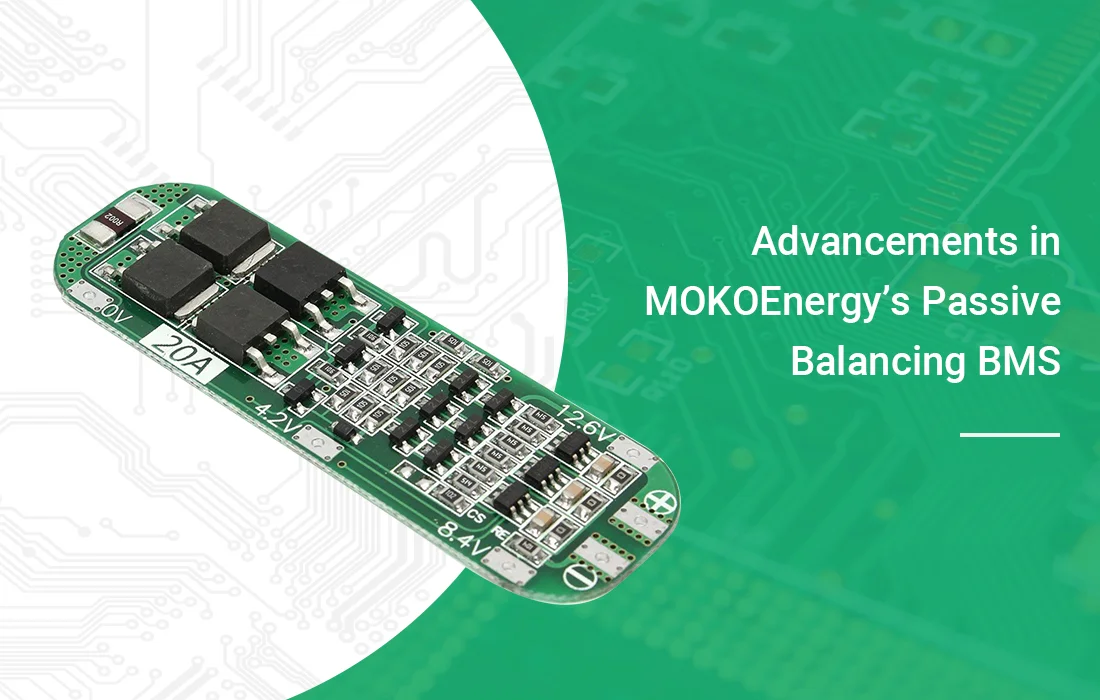
Batteries bring inconsistency due to the production working environment. The lowest cell’s energy sets the battery pack’s capacity or discharge, just like the barrel principle. If the pressure difference between the cells of a battery pack is too large, it will not only reduce the amount of power that can be discharged from the battery, but may also cause overcharging or over-discharging of certain cells, damaging the physical structure of the cells, causing permanent damage, and in severe cases, may induce thermal runaway (fire).
Through real-time monitoring, EV BMS reduces the pressure difference between cells through equalization once the pressure difference between cells is found to be too large, thus controlling the risk before it occurs. - Fault Alert
When the power battery is faulty, it will inform the user through the instrument of the car, which is convenient for the user to go to the maintenance in time to avoid more serious danger.
An excellent battery management system can minimize the potential risks of the battery so that users can use the car with happiness and peace of mind.
MORE: How does the EV battery management system work in e-vehicles?